
Understanding Contingencies in Real Estate Transactions

In the intricate dance of buying or selling a home, there are myriad steps and factors to consider. Among these, contingencies stand out as crucial safeguards for both buyers and sellers in real estate transactions. Whether you're a seasoned investor or a first-time homebuyer, understanding contingencies is paramount to navigating the real estate market successfully.
What are Contingencies?
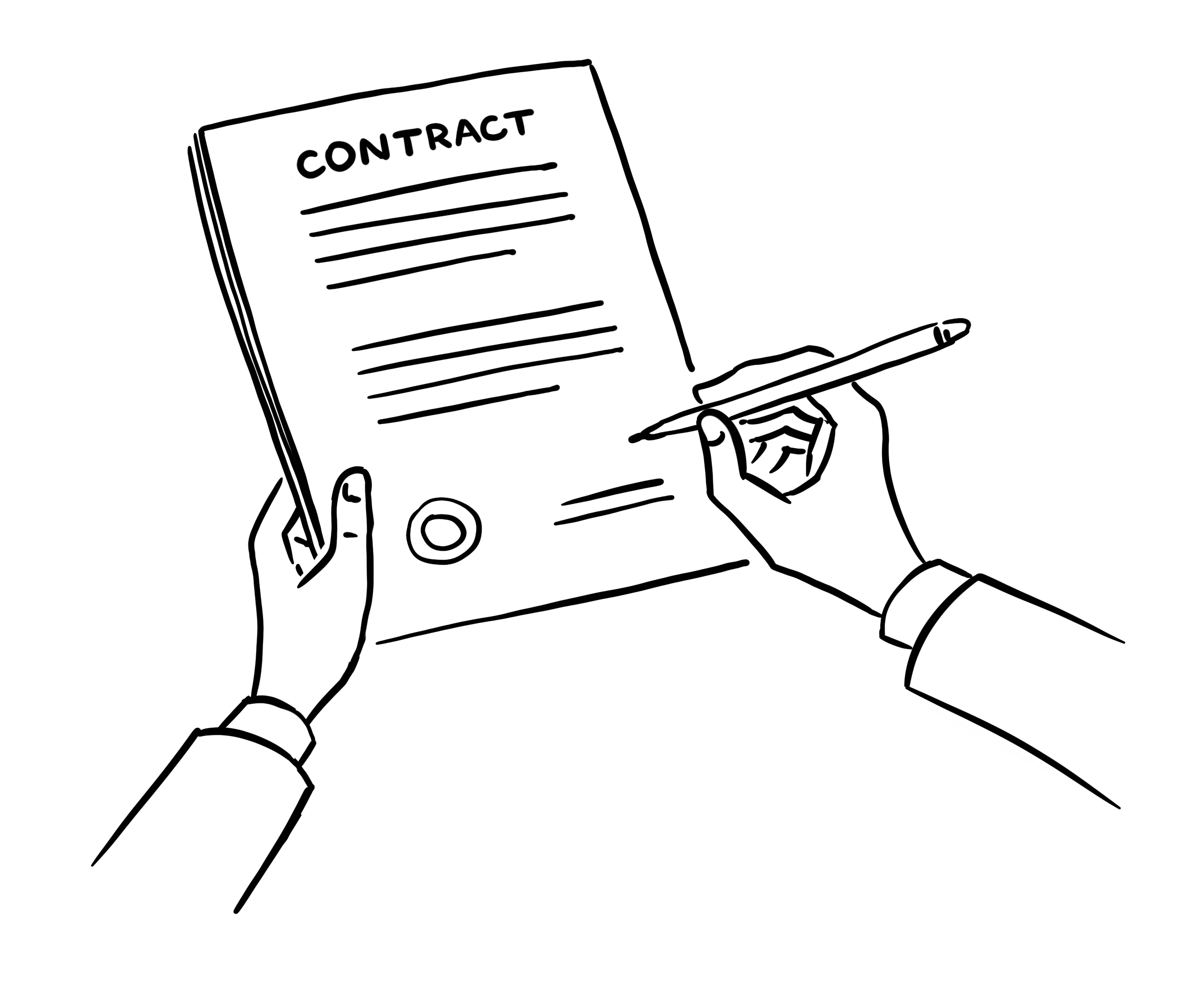
Contingencies are conditions included in a real estate contract that must be met for the sale to proceed. These conditions serve to protect the interests of both the buyer and the seller, providing a legal way out if certain criteria aren't fulfilled.
Types of Contingencies
1. Financing Contingency
Perhaps the most common, this contingency stipulates that the purchase is contingent upon the buyer securing financing. If the buyer fails to obtain a mortgage within the specified timeframe, they can withdraw from the contract without penalty.
2. Property Inspection Contingency
This contingency allows the buyer to conduct a professional inspection of the property. If significant issues are uncovered, the buyer may request repairs or negotiate a reduction in price, or they can choose to walk away from the deal.
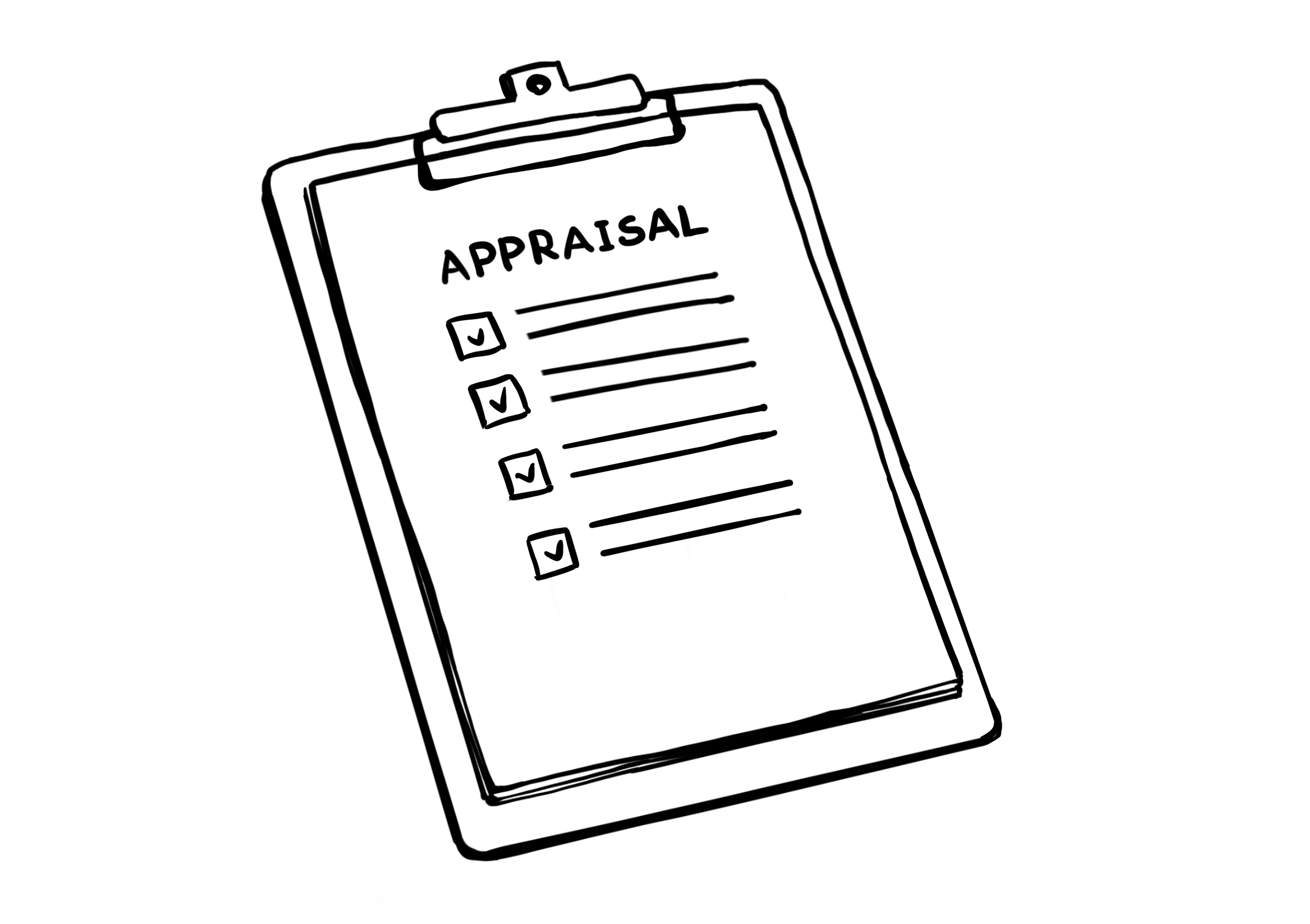
3. Appraisal Contingency
Here, the sale is contingent upon the property's appraisal meeting or exceeding the agreed-upon purchase price. If the appraisal falls short, the buyer can renegotiate the price, request the seller to lower it, or withdraw from the contract.
4. Sale or Settlement Contingency
In situations where the buyer must sell their current home before purchasing a new one, a sale contingency can be added. This allows the buyer to back out of the deal if they're unable to sell their home within a specified timeframe.
Why Contingencies Matter
For Buyers:
- Contingencies provide an opportunity to thoroughly assess the property and ensure it meets their expectations.
- They offer protection against unforeseen issues that may arise during the transaction.
- Contingencies allow buyers to negotiate repairs or adjustments to the terms of the contract based on inspection results or appraisal values.
For Sellers:
- While contingencies may prolong the sale process, they provide assurance that the buyer is committed and financially capable.
- Sellers can address any issues uncovered during inspections or appraisals, potentially enhancing the property's appeal to future buyers.
- Contingencies increase the risk of a deal falling through at a later stage, raising the chance of disruption and financial loss.
Navigating Contingencies
Whether you're buying or selling, understanding contingencies is essential for a smooth real estate transaction. They serve a purpose, but contingencies also risk the success of the transaction. Snapdoor minimizes this risk by favoring those offers that limit the number, scope, and duration of their contingencies – offers with more contingencies are ranked lower. In our commitment to transparency, we also encourage pre-listing inspections by buyers, so they can be fully aware of the property’s condition before placing their offer. Where there are contingencies in the accepted offer, Snapdoor manages and negotiates them on your behalf to ensure a smoother experience for you.